Vergleichsstudie: direkte und indirekte ISE-Methoden

Studie bestätigt genaue Messergebnisse für Natrium und Kalium
Scientific
Abstract

IMPACT OF PLASMA PROTEIN LEVELS ON ELECTROLYTE MEASUREMENTS: A COMPARATIVE STUDY OF DIRECT AND INDIRECT ION-SELECTIVE ELECTRODE METHODS

Schlaminger¹, B. Webb², A. Bartel², T. Niedrist³, M. Herrmann³, H. Scharnagl³

EXIAS Medical GmbH, Graz, Austria
MEON Medical Solutions GmbH & Co KG, Graz, Austria
Clinical Institute of Medical and Chemical Laboratory Diagnostics, Medical University of Graz, Austria

Download e-Poster

BACKGROUND/AIM

Accurate electrolyte measurement is critical for diagnosing and managing disorders of fluid and electrolyte balance. This study evaluates the effect of plasma protein levels on sodium (Na), potassium (K), and chloride (Cl) measurements using direct and indirect ion-selective electrode (ISE) methods, focusing on protein-induced matrix effects such as pseudohypernatremia and pseudohyponatremia. These phenomena occur because indirect ISE methods measure ion activity in a diluted sample, requiring mathematical correction based on assumptions about plasma water content that may not hold in abnormal protein states [1]. Previous research demonstrated that up to 25% of samples from critically ill patients could be misclassified when using indirect ISE methods in cases of abnormal protein concentrations [1] [2], of which 97% occur in hypoproteinemic samples [2].

METHODS

In leftover plasma samples (n=120, Li Hep), electrolyte (Na, K, Cl) concentrations were measured on the solite analyzer (MEON Medical Solutions) with integrated m|1 electrolyte module (EXIAS Medical) as well as on the Cobas 8000 analyzer (Roche Diagnostics). The m|1 electrolyte module uses direct ISE, while the Cobas 8000 uses indirect ISE. Additionally, total protein (TP) concentrations were determined for the same samples on the Cobas 8000.

Samples were classified into hypoproteinemic (<6.6 g/dL; 64.4%) and normoproteinemic (6.6–8.7 g/dL; 35.6%) groups based on TP levels. Systematic biases between methods were assessed using Bland-Altman analysis and linear regression modelling. A multifactorial linear model incorporating electrolyte concentration (Na, K, Cl), TP levels, and an intercept was used to quantify the impact of protein levels on electrolyte measurements.

RESULTS

Significant biases (p < 0.05) were observed across all electrolytes. For every 1 g/dL increase in TP, indirect ISE underestimated Na by 0.77 mmol/L (p < 0.001), K by 0.05 mmol/L (p < 0.001) and Cl by 1.02 mmol/L (p < 0.001) compared to direct ISE. Hence, indirect ISE overestimates Na levels (e.g., pseudohypernatremia) in hypoproteinemic specimens and underestimates Na levels (e.g., pseudohyponatremia) in hyperproteinemic specimens [3].

These observed biases closely matched theoretical expectations based on plasma water fraction changes with varying protein concentrations [4]. Correcting for systematic differences confirmed that biases were exclusively attributable to TP levels.

Notably, our dataset did not include hyperproteinemic samples (>8.7 g/dL), limiting our direct observations to hypoproteinemic and normoproteinemic ranges.

Partial Dependence of Sodium Measurement Bias on Total Protein
Partial Dependence of Potassium (K) Measurement Bias on Total Protein
Partial Dependence of Chloride Measurement Bias on Total Protein

Conclusion

Direct ISE methods provide more accurate measurements of Na, K, and Cl across varying protein levels (3.7 – 8.1 g/dL) compared to indirect ISE methods, which are prone to protein-induced matrix effects due to their dilution step and the compensation applied to account for it. The magnitude of this effect is clinically significant, particularly for sodium measurements in critically ill patients who are often present with abnormal protein levels.

Our results confirm and extend earlier observations by Dimeski et al. [1],[2], highlighting that the risk of misclassification is substantial and directly proportional to the deviation from normal protein levels. The observed coefficient of -0.77 mmol/L per g/dL for sodium aligns well with previous estimates (-0.78 to -0.98 mmol/L per g/dL) [2], supporting the consistency of this phenomenon across different analytical platforms.

These findings align with recent consensus recommendations suggesting direct ISE methods should be preferred [5]. Selecting appropriate measurement techniques is critical in clinical settings to minimize errors in electrolyte assessment caused by plasma protein variations. [5], [6]

Referenzen:

[1] Dimeski G, Barnett RJ. Effects of total plasma protein concentration on plasma sodium, potassium and chloride measurements by an indirect ion selective electrode measuring system. Crit Care Resusc. 2005;7(1):12-15.
[2] Dimeski G, Morgan TJ, Presneill JJ, Venkatesh B. Disagreement between ion selective electrode direct and indirect sodium measurements: estimation of the problem in a tertiary referral hospital. J Crit Care. 2012;27(3):326.e9-16.
[3] Liamis G, Liberopoulos E, Barkas F, Elisaf M. Spurious electrolyte disorders: a diagnostic challenge for clinicians. Am J Nephrol. 2013;38(1):50-57.
[4] Nguyen MK, Ornekian V, Butch AW, Kurtz I. A new method for determining plasma water content: application in pseudohyponatremia. Am J Physiol Renal Physiol. 2007;292(5)
[5] Langelaan ML, Kamp L, Zandijk E, Raijmakers MT. Prevalence of pseudonatremia in a clinical laboratory - role of the water content. Clin Chem Lab Med. 2017 Mar 1;55(4):546-553
[6] King RI, Mackay RJ, Florkowski CM, Lynn AM. Electrolytes in sick neonates - which sodium is the right answer? Arch Dis Child Fetal Neonatal Ed. 2013;98(1)

Neue e|1 Cartridge Optionen für maximale Flexibilität

Messkassette Elektrolyte für mehr Flexibilität

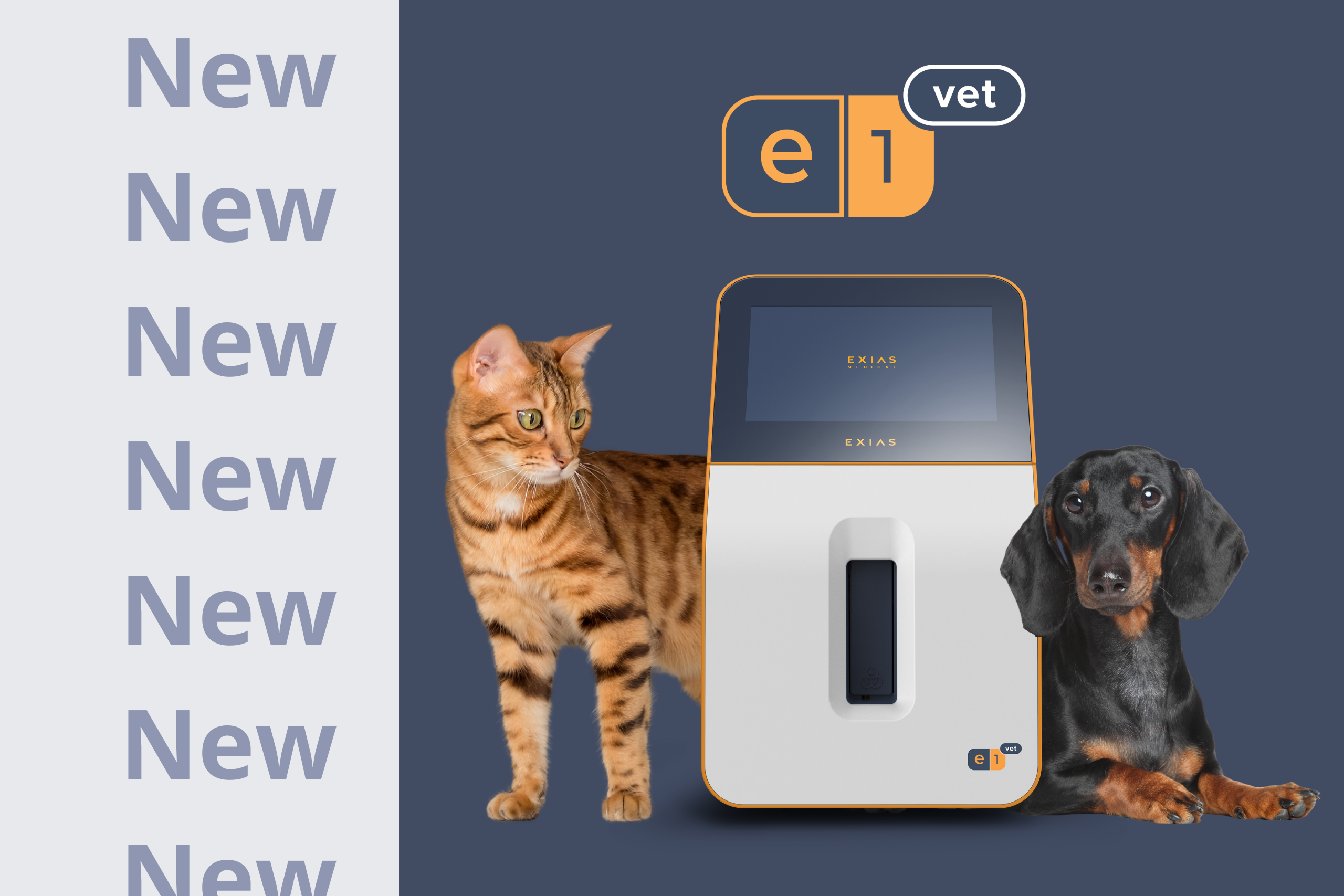
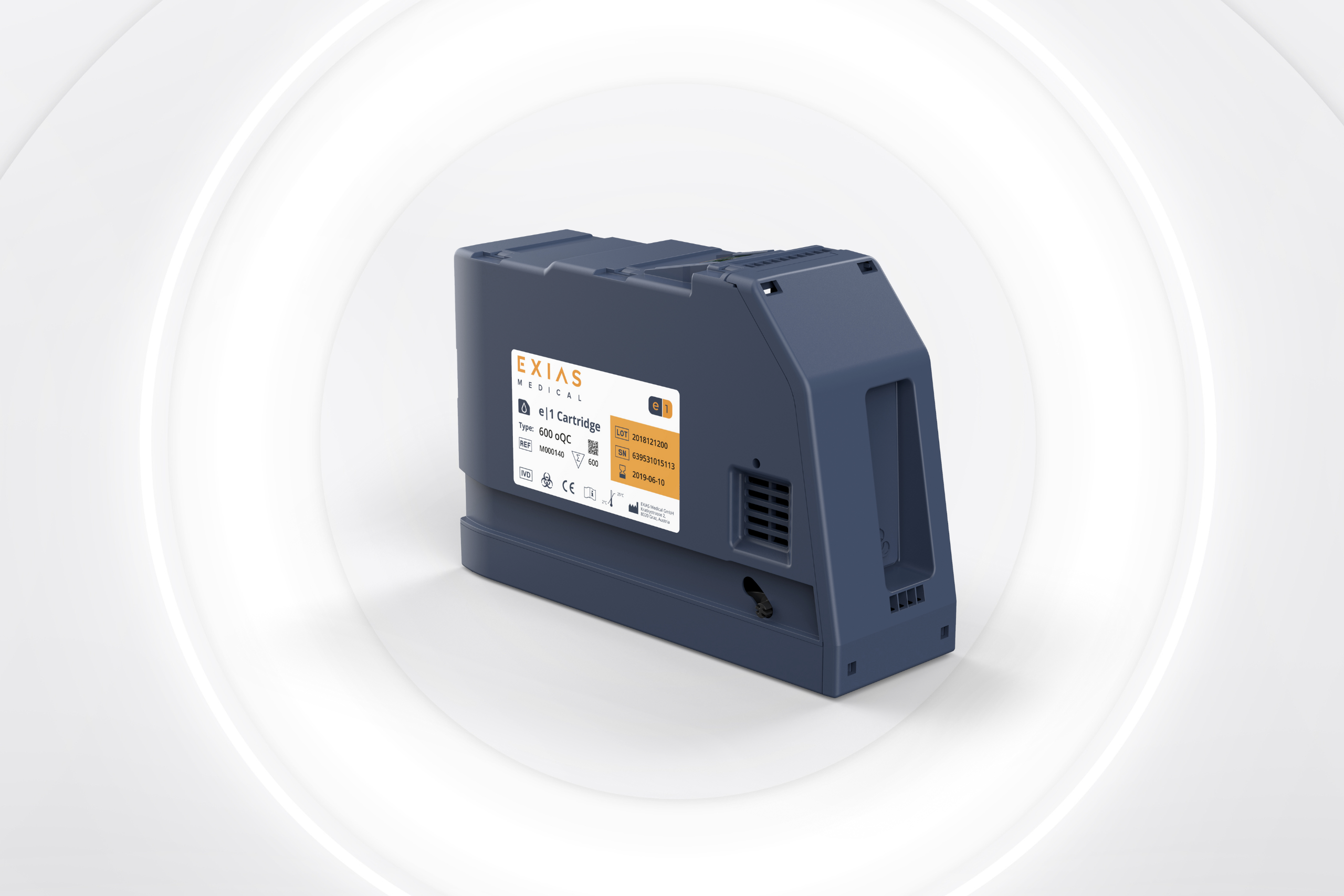
Als Reaktion auf umfangreiches Feedback und hohe Nachfrage hat EXIAS neue Varianten der all-in-one Kassette für den e|1 Analysator eingeführt. Dadurch wird die Flexibilität für Labore und Point-of-Care-Umgebungen erhöht.

Die neu eingeführte Cartridge 100 kann 100 Tests innerhalb einer Nutzungsdauer von 42 Tagen durchführen. Darüber hinaus wurde die Nutzungsdauer der bestehenden Cartridge 600 von 28 auf 42 Tage verlängert. Damit ist sie die perfekte Wahl für ein deutlich breiteres Anwendersegment. Beide Kassettenvarianten sind zudem optional mit integrierter Qualitätskontrolle erhältlich.

Diese Weiterentwicklungen erweitern das EXIAS-Produktportfolio und bieten insbesondere Endanwendern mehr Auswahlmöglichkeiten und höheren Komfort. Diese Verbesserung ist besonders vorteilhaft für Labore mit niedrigem bis mittlerem bis hohem Probenaufkommen: Für Einrichtungen, die nur wenige Tests pro Woche durchführen, ebenso wie für solche mit rund 100 Tests pro Woche, wird der e|1 Analysator dadurch noch attraktiver.

Die neuen Kassetten sind in allen Ländern erhältlich, in denen die erforderlichen Zulassungen abgeschlossen wurden. Diese strategische Erweiterung soll die Marktposition von EXIAS weiter festigen und das Engagement des Unternehmens für kontinuierliche Verbesserung und Kundenzufriedenheit unterstreichen.

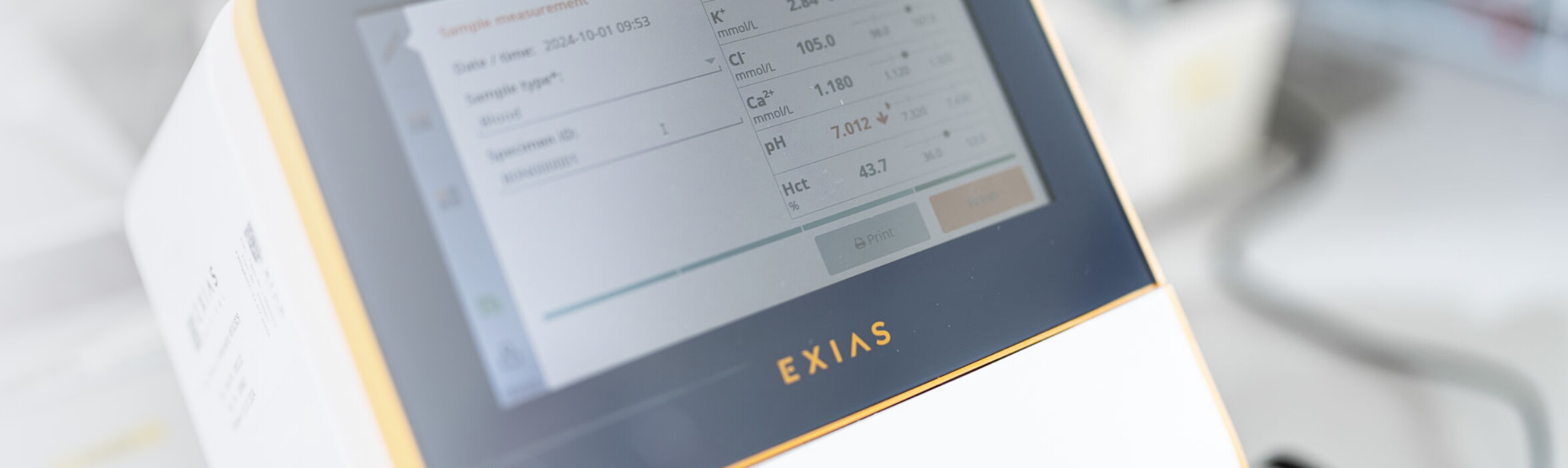
Vergleichsstudie: Ionisiertes Kalzium EXIAS e|1 vs. ABL800

Ionized Calcium EIXAS e|1 vs. ABL800

HERAUSRAGENDE ANALYTISCHE LEISTUNG DES EXIAS eI1-ANALYZERS

Die Vergleichsstudie, durchgeführt vom Biochemischen Labor der Universität Nantes, bestätigte die herausragende analytische Leistung des EXIAS eI1-Analyzers. Die Forschung konzentrierte sich auf die Messung von ionisiertem Kalzium (Ca²⁺) und pH-Wert im Vollblut und verglich den EXIAS eI1 direkt mit dem etablierten Radiometer ABL800.

Überblick 

Zwischen Juli und Oktober 2023 wurden 101 Vollblutproben nacheinander mit dem EXIAS® eI1-System und dem ABL800 Radiometer analysiert. Ziel der Studie war es, zu überprüfen, ob die Ergebnisse des Point-of-Care-Systems (POC) EXIAS® eI1 mit laborüblichen Messungen übereinstimmen. Die statistische Auswertung erfolgte mithilfe von XLSTAT®.

Wichtige Ergebnisse

Die Studie zeigte eine nahezu perfekte Korrelation zwischen den Ergebnissen von EXIAS® eI1 und ABL800:

  • Ionisiertes Kalzium (Ca²⁺): Die Ergebnisse des EXIAS® eI1 lagen im Durchschnitt bei 1,16 ± 0,099 mmol/L, verglichen mit 1,18 ± 0,088 mmol/L für das ABL800. Es wurde kein signifikanter Unterschied festgestellt. Korrelationskoeffizient r = 0,96.

  • pH-Wert: Die Ergebnisse des EXIAS® eI1 lagen im Durchschnitt bei 7,388 ± 0,068, identisch zu den Messungen des ABL800, Korrelationskoeffizient r = 0,94.

Diese Ergebnisse zeigen, dass der EXIAS® eI1-Analyzer hochzuverlässige Messungen sowohl für ionisiertes Kalzium als auch für den pH-Wert liefert und eng mit den Messungen eines erstklassigen Laborinstruments übereinstimmt.

Bedeutung der Ergebnisse

Die Studie unterstreicht die Präzision und Zuverlässigkeit des EXIAS® eI1-Analyzers und etabliert ihn als hochwertige Lösung für genaue Tests sowohl im Labor als auch direkt am Patienten (POC). Die Leistung bestätigt, dass medizinisches Fachpersonal den Ergebnissen des EXIAS® eI1 vertrauen kann, selbst außerhalb des traditionellen Labors.

Wir sind stolz, diese Ergebnisse zu teilen, die unser kontinuierliches Engagement für erstklassige analytische Leistung widerspiegeln.

Vollblut-Elektrolytmessung: Eine Vergleichsstudie

Best laboratory device

EXIAS eI1 ANALYZER LIEFERT HOCHGENAUE MESSUNGEN

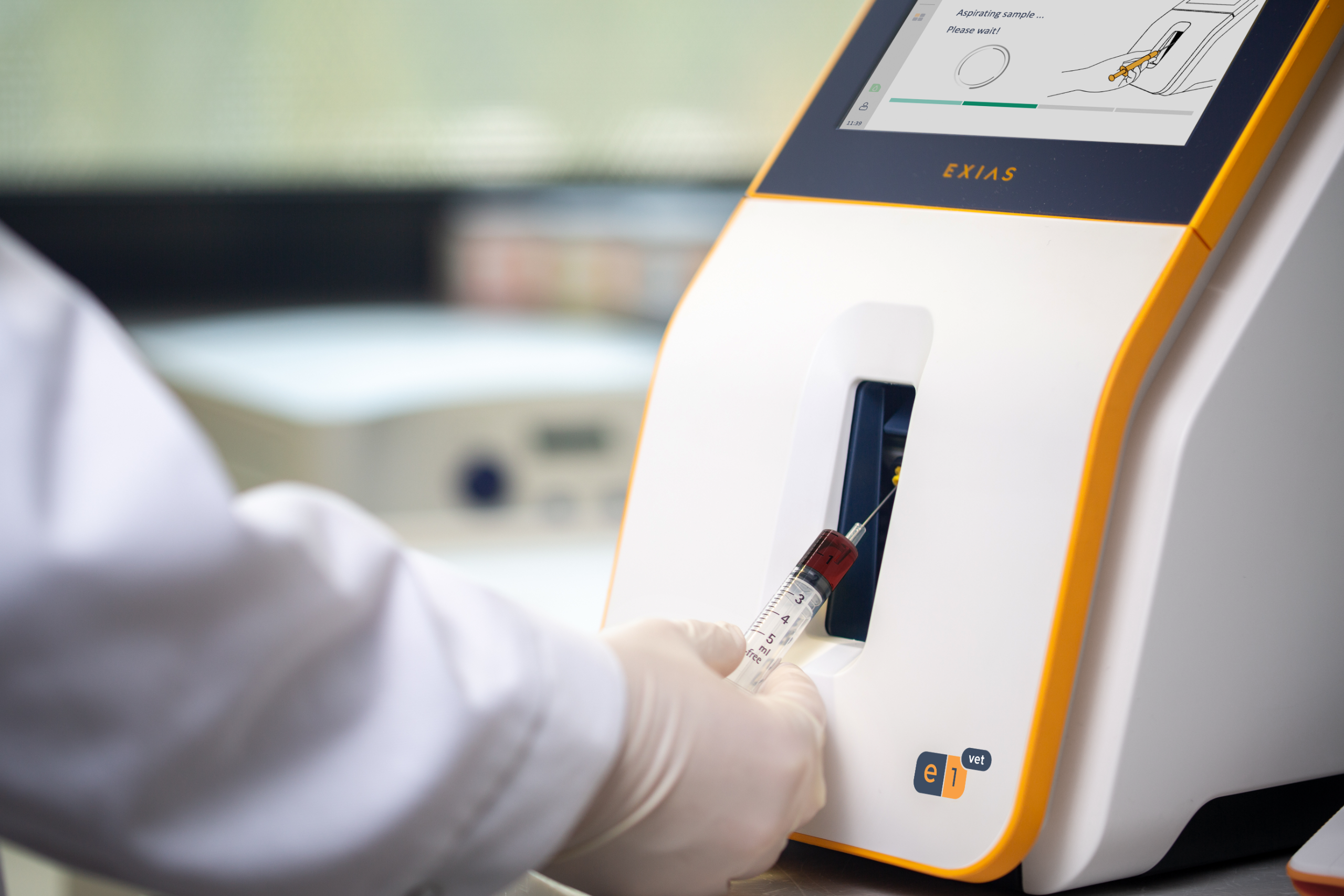
Eine Vergleichsstudie, durchgeführt vom Biochemischen Labor der Universität Nantes, bestätigte, dass der EXIAS eI1 Elektrolyt Analysatorhervorragend genaue Messungen von Natrium (Na⁺) und Kalium (K⁺) liefert. Die Studie verglich Ergebnisse aus Vollblut und Heparinplasma, die mit dem EXIAS eI1 gemessen wurden, mit etablierten automatisierten Systemen, darunter ABL800 Radiometer und cobas pro/cobas (Roche).

Highlights der Studie

  • Vollblut: Die Messungen von Natrium und Kalium mit EXIAS eI1 zeigten eine nahezu perfekte Korrelation mit den ABL800-Ergebnissen, ohne klinisch signifikante Unterschiede.

  • Heparinplasma: Die Messungen korrelierten eng mit cobas pro/cobas pure, was die zuverlässige Leistung auch bei Plasmaproben bestätigt.

Bedeutung der Ergebnisse

Diese Ergebnisse zeigen, dass der EXIAS eI1 Elektrolyt AnalysatorPräzision und Zuverlässigkeit bietet, die mit erstklassigen Laborsystemen vergleichbar sind. Seine Leistung stellt sicher, dass klinische Fachkräfte den Ergebnissen vertrauen können – sowohl im Labor als auch direkt am Patienten (Point-of-Care).

Wir sind stolz, diese Ergebnisse zu teilen, die unser Engagement für erstklassige analytische Leistung widerspiegeln.

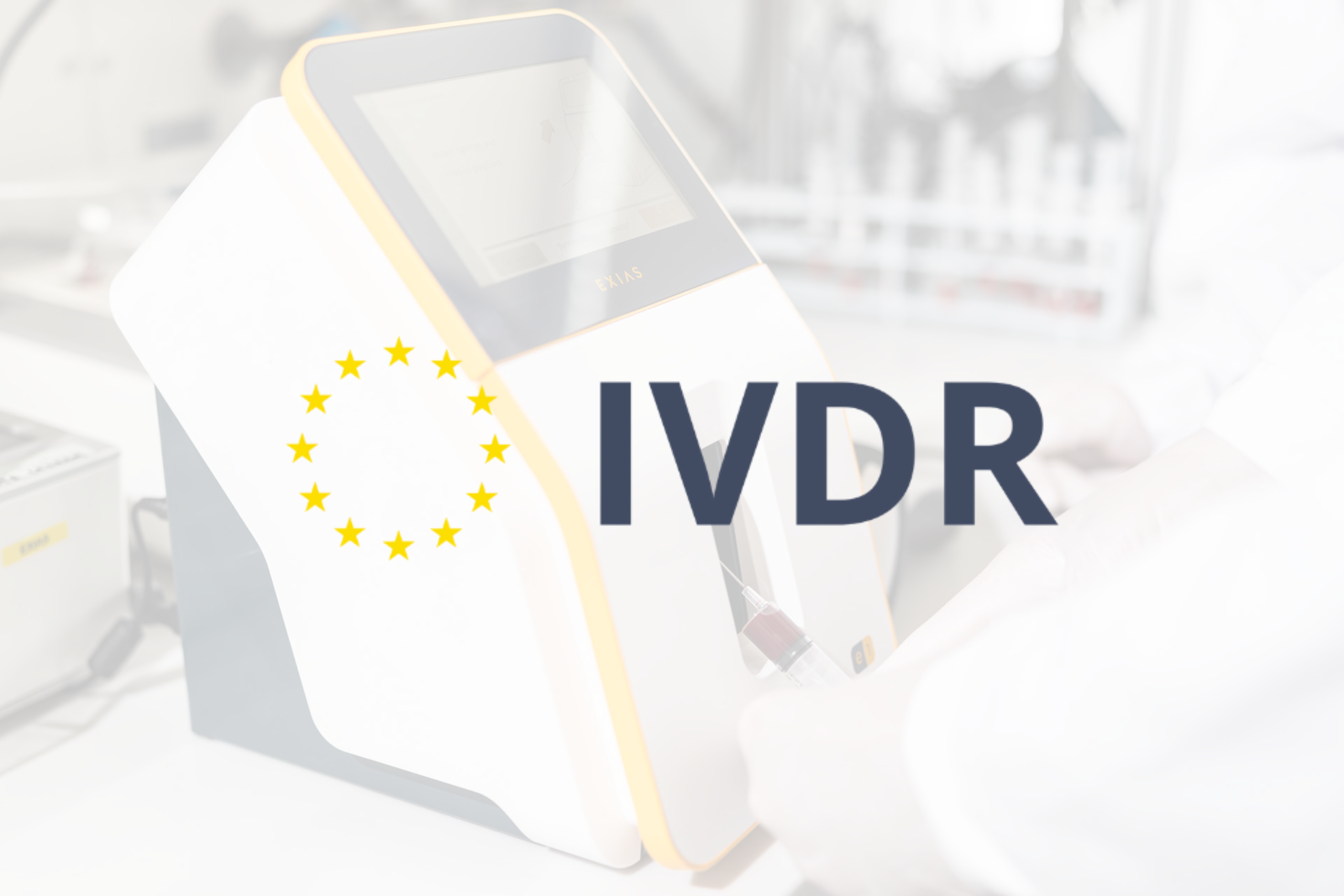
EXIAS Medical erhält IVDR-Zertifizierung

EXIAS IVDR certified

EXIAS Medical hat die IVDR-Zertifizierung (In-vitro-Diagnostika-Verordnung) durch die benannte Stelle erhalten. Die Zertifizierung unterstreicht das Engagement des Unternehmens für Qualität und Sicherheit in der In-vitro-Diagnostik und gewährleistet die Einhaltung der EU-Vorschriften.

Dieser Meilenstein stärkt die Position von EXIAS Medical als vertrauenswürdiger Anbieter auf dem Weltmarkt und betont das Bestreben, zuverlässige und fortschrittliche In-vitro-Diagnostik-Lösungen zu liefern.

Methodenvergleichsstudie: Urin-Elektrolyte

Elektrolyte Analysator unverdünntes Urin
Scientific
Abstract

EFFECT OF MANUAL SAMPLE DILUTION IN THE DETERMINATION OF URINARY ELECTROLYTES. SOURCES OF ERROR AND A NOVEL METHOD FOR UNDILUTED MEASUREMENT

M. Schlaminger,   J. Hindinger

Download e-Poster

BACKGROUND/AIM

Urinary electrolytes are used to aid the diagnosis hypovolemia, kidney damage, acid-base, and electrolyte disorders. Quantification of urinary sodium (Na), chloride (Cl), and potassium (K) by ion-sensitive electrodes (ISE) is a widely used for the management of critically ill patients. [1], [2] Established methods require pre-analytical dilution steps, which entail metrological disadvantages. The aim of the study is to quantify the pre-analytical error caused by the dilution and to compare a novel undiluted urine method EXIAS e|1 Analyzer (e|1) with diluted Roche 9180 Electrolyte Analyzer (9180).

METHODS

A method comparison study (CLSI EP9A3, [3]) using random and first morning mid-stream urine samples from 145 male and female donors between the ages of 20 and 60 and different dietary habits (vegetarian, vegan, omnivore) and a precision study (CLSI EP5A3, [4]) with 3 dedicated donor pools were performed. The statistical analysis for the comparison of both methods was performed using Deming regression. Repeatability (SD1) and Reproducibility (SD2) were estimated based on ANOVA. The samples on 9180 were diluted according to the instructions for use, with 2 dilutions being prepared and compared per aliquot (as factor in SD2), additional dilution with a.dest. for K≥60mmol/L.

RESULTS

The regression analysis of the comparison study demonstrated a slope from 0.99 (Na) to 1.02 (Cl). The results correlated well (R²>0.98) and showed that e|1 and 9180 have no significant bias. It can thus be shown that the elimination of the dilution of the urine sample has no negative impact on the quantification of the analytes on the e|1. The deviations in the lower range of Na and Cl can be attributed to the uncertainty of the 9180 (x) resulting from the dilution. The precision study shows clear differences in the SD2 between e|1 and 9180, with the difference between the concentration of the patient sample and the diluent modulating the uncertainty on the 9180; e.g., Na at 44mmol/L; e|1: SD1=0.49, SD2=1.59; 9180: SD1=1.29, SD2=4.81. The significant difference between SD1 and SD2 shows that dilution is a non-negligible source of error. 25% of the samples required an additional dilution step with a.dest. due to altered K.

Natrium Elektrolyt Analysator
Figure 2.1. Precision profile for Sodium according CLSI EP05A3 for Repeatability SD1 and Reproducibility SD2 considering 8 x e|1 (undiluted) , respectively 2 x 9180 (diluted) as factors for SD2; expected effect of dilution error shown dashed as additional factor in SD2 to 9180
Präziser Natrium Elektrolyt Analysator
Figure 2.1. Precision profile for Sodium according CLSI EP05A3 for Repeatability SD1 and Reproducibility SD2 considering 8 x e|1 (undiluted) , respectively 2 x 9180 (diluted) as factors for SD2; expected effect of dilution error shown dashed as additional factor in SD2 to 9180
Kalium Elektrolyt Analysator
Figure 1.2 Method Comparison for Potassium according CLSI EP09A3 comparing 8 x e|1 (y, undiluted) vs. 2 x 9180 (x, diluted)
Präziser Kalium Elektrolyt Analysator
Figure 2.2. Precision profile for Potassium according CLSI EP05A3 for Repeatability SD1 and Reproducibility SD2 considering 8 x e|1 (undiluted) , respectively 2 x 9180 (diluted) as factors for SD2; expected effect of dilution error shown dashed as additional factor in SD2 to 9180
Chlorid Elektrolyt Analysator
Figure 1.3 Method Comparison for Chloride according CLSI EP09A3 comparing 8 x e|1 (y, undiluted) vs. 2 x 9180 (x, diluted)
Präziser Chlorid Elektrolyt Analysator
Figure 2.3. Precision profile for Chloride according CLSI EP05A3 for Repeatability SD1 and Reproducibility SD2 considering 8 x e|1 (undiluted) , respectively 2 x 9180 (diluted) as factors for SD2; expected effect of dilution error shown dashed as additional factor in SD2 to 9180

WORKFLOW COMPARISON:

EXIAS e|1 ANALYZER vs. ROCHE 9180

The workflow involved in analyzing urinary electrolytes plays a crucial role in determining the efficiency and practicality of a diagnostic method.

The e|1 Analyzer workflow begins with the collection of random or first morning mid-stream urine samples. These samples are directly loaded onto the analyzer without any pre-analytical dilution steps. The analyzer then utilizes ion-sensitive electrodes (ISE) to quantify the concentrations of sodium (Na), chloride (Cl), and potassium (K) in the undiluted urine samples. The quantification process is automated, minimizing the need for manual intervention. The results obtained from the e|1 Analyzer can be directly interpreted and used for clinical decision-making.

On the other hand, the workflow of the Roche 9180 Electrolyte Analyzer [5] involves a series of pre-analytical dilution steps. After urine sample collection, the samples are diluted according to the instructions for use. Typically, two dilutions per aliquot are prepared and compared, with an additional dilution using a diluent (a.dest.) for samples with potassium concentrations equal to or greater than 60 mmol/L. Once the samples are appropriately diluted, they are loaded onto the Roche 9180 Analyzer. Similar to the e|1 Analyzer, the Roche 9180 employs ion-sensitive electrodes to quantify the concentrations of Na, Cl, and K in the urine samples. The results obtained are then analyzed and interpreted for clinical purposes.

A notable distinction between the two workflows lies in the dilution step. The e|1 Analyzer eliminates the need for dilution, allowing for direct analysis of undiluted urine samples. This streamlined approach simplifies the workflow and reduces the potential sources of error associated with the dilution process. In contrast, the Roche 9180 Analyzer requires the dilution of urine samples, introducing an additional pre-analytical step that may contribute to variability and uncertainty in the results. The study findings indicated that dilution on the 9180 Analyzer indeed led to deviations and increased uncertainty, particularly in the lower range of Na and Cl concentrations, as well as in the upper K concentrations.

Overall, the e|1 Analyzer workflow offers a more straightforward and efficient process by eliminating the pre-analytical dilution step. This feature reduces the potential for error and provides more reliable quantification of urinary electrolytes. In comparison, the Roche 9180 Analyzer workflow necessitates the extra step of dilution, which introduces an additional source of error and uncertainty.

EXIAS Elektrolyt Analysator Urinelektrolyte
Figure 3: Workflow Comparison: EXIAS e|1 Analyzer (left) vs. Roche 9180 (right)

CONCLUSION

This study compared the quantification of urinary electrolytes using the novel undiluted urine method on the e|1 Analyzer with the traditional diluted method on the Roche 9180 Analyzer. The comparison study demonstrated that both analyzers showed good correlation and no significant bias, indicating that the elimination of the dilution step did not negatively impact the quantification of analytes on the e|1 Analyzer.


Moreover, the precision study revealed significant differences in the standard deviation (SD2) between the e|1 and 9180 Analyzers, suggesting that pre-analytical dilution is a notable source of error. This finding highlights the importance of considering the potential impact of dilution on the accuracy and precision of urinary electrolyte measurements.


The e|1 Analyzer offers several advantages over the established analyzers, including the elimination of pre-analytical dilution steps. This not only simplifies the workflow but also reduces the potential for error associated with dilution. Additionally, the e|1 Analyzer provides the capability to analyze undiluted urine samples directly, potentially saving time and resources in a clinical setting.


Overall, the results of this study suggest that the undiluted urine method on the e|1 Analyzer holds promise as an alternative approach for the quantification of urinary electrolytes. It has the potential to improve the accuracy and efficiency of diagnostic testing in the management of critically ill patients and the diagnosis of electrolyte disorders.

Referenzen:

[1] Umbrello et al. "Urine electrolytes in the intensive care unit: From pathophysiology to clinical practice." Anesthesia & Analgesia 131.5 (2020): 1456-1470.
[2] Seifter et.al. "Disorders of acid-base balance: new perspectives." Kidney Diseases 2.4 (2016): 170-186.
[3] Evaluation of Precision of Quantitative Measurement Procedure; Approved Guideline – Third Edition. CLSI document EP05-A3; 2014
[4] Measurement Procedure Comparison and Bias Estimation Using Patient Samples; Approved Guideline – Third Edition- CLSI document EP09-A3; 2013
[5] 9180 Electrolyte Analyzer Instructions for Use EN; Version 7.1; 2013

Cookie Consent mit Real Cookie Banner